- The Hive Doctor
- Posts
- Unlock the Hidden Signals of Your Hives
Unlock the Hidden Signals of Your Hives
Introducing the 12 Variables That Shape Your Colony's Direction

Jonathan Hargus
January 18, 2026 • Estimated Reading Time: 3 minutes
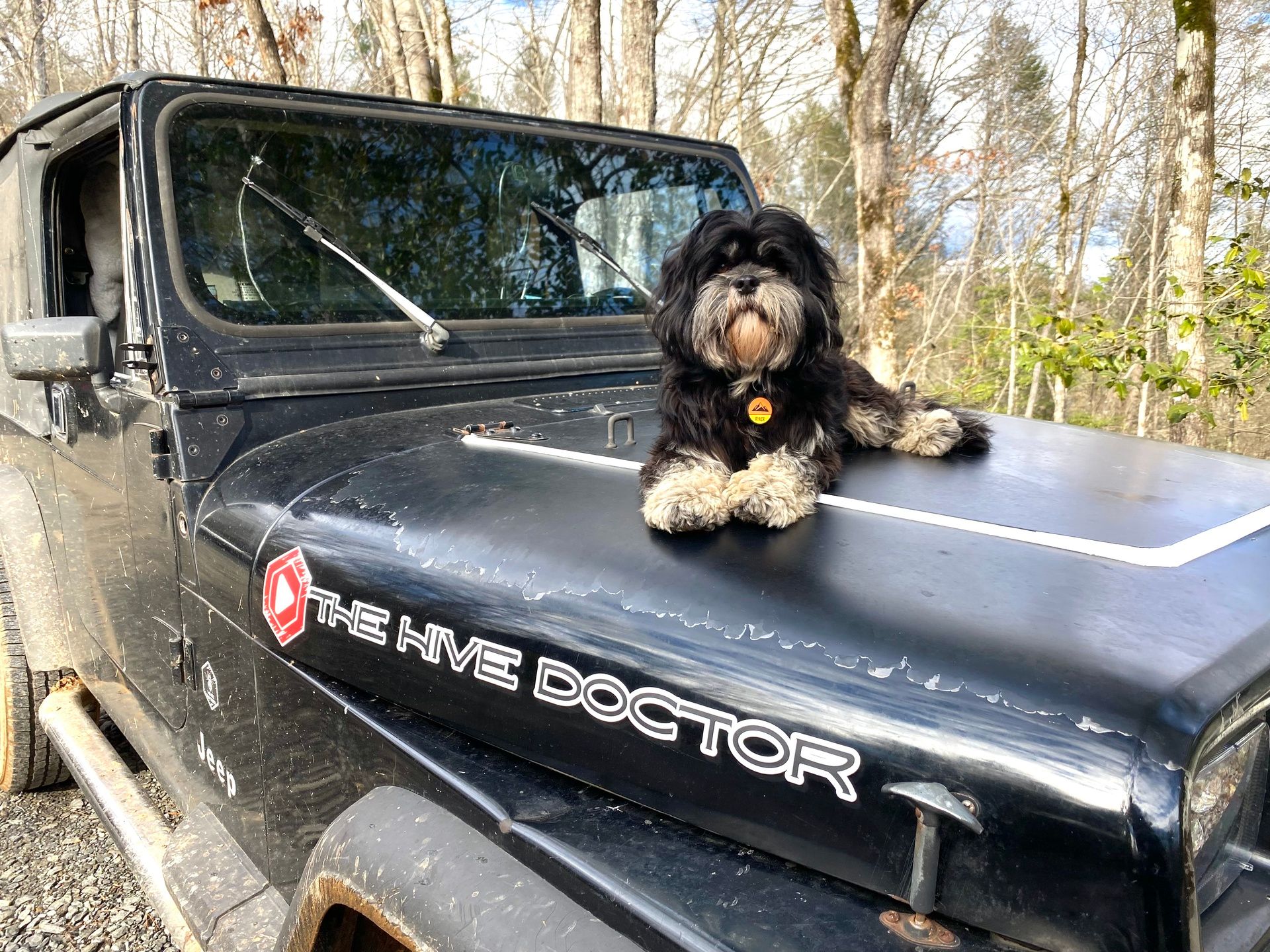
Today’s Thought-TrailWhat are we missing?Every beekeeper wants thriving colonies, abundant honey, and healthy queens. But what if the secret to consistent success isn’t about doing more inspections, buying more equipment, or reacting faster — but about seeing the subtle signals your hive is already giving you? |  Although my pup cannot write, he gets credit as co-author. Meet Ryker! (Named after a Star Trek character, not the prison). |
Hey there!
You’re reading The Hive Doctor’s Newsletter — a newsletter about slowing down and observing a little differently. Every issue brings stories and signals from the hive on their own terms — quietly, intentionally, and off the beaten path. Let’s dive in.
THE INTERVIEW
Signal Variables that Whisper Colony Direction
I call these signals the 12 variables of colony direction. They’re the underlying factors that guide a hive’s behavior and trajectory throughout the season. While we often focus on obvious problems — low honey stores, pests, or disease — these variables help us understand the bigger picture before symptoms even appear.
The 12 Variables that All Hives Dwell Within
The first three are the Primary Driving Forces that set Colony Direction:
Forage Availability- External input that largely dictates brood expansion, comb building, and adult activity.
Brood Area- Determines the future adult population and hive energy allocation.
Egg Presence- Sets immediate reproductive momentum and brood trajectory.
The following four variables are the Secondary Drivers:
Adult Density- Population drives hive’ activity: comb building, resource gathering and storage, and defensive behavior.
Comb Building- Converts colony energy into infrastructure, enabling brood expansion and resource storage.
Space Adequacy- Modulates the efficiency of brood expansion and comb building; can limit the colony if constrained.
Resource Placement- Shows energy allocation priorities; mediates between forage and brood development.
The final five variables are episodic, signal indicators of status or alert:
Queen Cell Activity- Signals potential reproductive shifts or swarm preparation.
Drone Production- Reflects reproductive readiness; peaks as a consequence of brood and adult density.
Brood Pattern- Indicator of colony health; results from brood care, adult density, and environmental conditions.
Behavioral Tone- Observable output reflecting internal stress or confidence; emerges from primary drivers and constraints.
Weather- External factor affecting activity levels; influences but does not originate colony direction.
By observing these 12 variables, you can:
Anticipate challenges rather than constantly react
Time your interventions for maximum impact
Support your colonies in moving naturally toward health and productivity
Think of it as a new lens for your beekeeping: instead of just reacting to what’s happening now, you’re aligning your actions with the direction your bees are already headed.
And in this way, rather than operate under the urgency of colony symptoms, you can begin to see the bigger picture and see the progression of your colonies through the season.
There’s always something new to learn. But it cannot be heard except for in the quiet space.
In Upcoming Posts…
I’ll break down each variable and show you how they connect to the decisions that shape your season. For now, start noticing the patterns your hives are already showing — the subtle signals are already there, waiting for you to see them.
 | 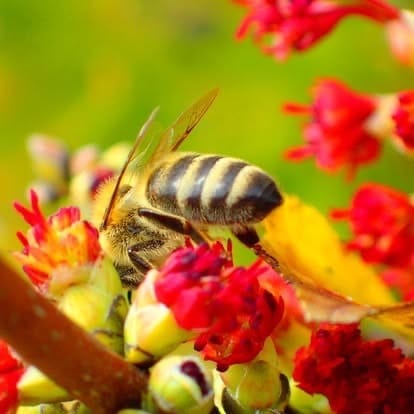 |
What little signals do you notice?
What have the bees taught you about the seasons AND what have the seasons taught you about the bees?
I invite you to email me with the little (or big) signals that you have become aware of in your own life. Usually the small, quiet signals reveal themselves without show and end up being the biggest revelations in our lives.
The small things, noticed at the right time, can have big outcomes in your favor.
More resources for you…
The Hive Doctor’s Favorites (not just his own books 😉)
▶ The Butterfly Effect of Beekeeping, Volume III in The Hive Doctor’s signal-based series. books.by/the-hive-doctor
▶ American Honey Plants by Frank C. Pellet, an in-depth and highly valuable resource on understanding the Major and Minor nectar sources in your area.
▶ At the Hive Entrance by Storch, an tabled-guide of diagnosing a honey bee colony based upon observed entrance activity.
▶ Apis Tactical, the highest quality protective gear on the market: Gloves, Suits, jackets and veils.
Message from Ryker
Thanks for reading effrybody!
Ava with Milo in their van
Ryker secretly runs the entire operation here at The Hive Doctor 😉
Reply